
Non-revenue electricity losses represent the difference between the energy a utility purchases from Eskom or generates and the energy it successfully bills to consumers. In South Africa, aggregate technical and commercial (ATC&C) losses in some municipal distribution areas exceed 30 per cent of total energy purchased, costing municipalities billions of rands every year and undermining their ability to maintain infrastructure, pay bulk suppliers and deliver reliable service. Reducing non-revenue losses through smart grid technology is not optional for financially stressed utilities; it is an existential priority.
Understanding Technical and Commercial Losses
Non-revenue losses fall into two categories. Technical losses are caused by the physical characteristics of the distribution network: conductor resistance heating, transformer core and copper losses, cable ageing and leakage currents. These losses are inherent to any electrical network but can be minimised through proper network design, transformer right-sizing and phase balancing. A well-managed distribution network typically experiences technical losses of 6 to 8 per cent.
Commercial losses are caused by human intervention and system failures: meter tampering, illegal connections, billing errors, faulty meters, unmetered supply points and administrative inefficiencies. In many South African municipalities, commercial losses dwarf technical losses and represent the primary revenue recovery opportunity. Common tampering methods include bypass wiring around the meter, CT shorting on three-phase installations, neutral conductor disconnection, magnetic interference to saturate current transformers and firmware manipulation.
Utilities in the Free State province that deployed boundary metering combined with smart consumer meters and analytics-driven investigation workflows saw monthly revenue increase from approximately R30 million to between R70 and R90 million per month over a sustained period.
Boundary Metering: The Foundation of Loss Quantification
Boundary metering is the foundational strategy for quantifying and localising losses within a distribution network. By installing accurate CT-connected smart meters at every electrical boundary, a utility creates an energy balance framework that measures exactly how much energy enters and exits each network zone.
- Intake meters at the transmission-to-distribution boundary measuring total energy purchased
- Substation busbar meters tracking energy flowing through each substation
- Feeder departure meters measuring energy dispatched along each distribution feeder
- Distribution transformer cluster meters quantifying energy delivered to groups of consumers
The difference between energy entering a zone and the sum of energy recorded by consumer meters within that zone reveals the exact magnitude of losses in that segment. Without boundary metering, utilities are estimating losses using assumptions rather than measurements, making it impossible to prioritise interventions or measure the impact of loss-reduction programmes.
Smart Meter Tamper Detection and the TMS Workflow
Modern smart meters incorporate sophisticated tamper detection capabilities that monitor for a range of interference signatures in real time. When a tamper event is detected, the meter logs it with a precise timestamp and triggers an alert to the utility's head-end system.
- Magnetic field detection identifying attempts to saturate current transformers
- Terminal cover removal sensors triggering immediate alerts
- Reverse energy flow detection catching bypass wiring installations
- Neutral conductor disconnection monitoring for single-phase tampering
- Phase-to-earth fault injection detection on three-phase installations
- Firmware integrity verification preventing software manipulation
The Tamper Management System (TMS) workflow converts these alerts into actionable investigations. Alerts are classified by severity, correlated with historical patterns for each meter and assigned to investigation teams with GPS coordinates and tamper evidence. This systematic approach replaces random field audits with targeted, evidence-based investigations that dramatically improve detection rates and prosecution outcomes.
Transformer Monitoring and Network Analytics
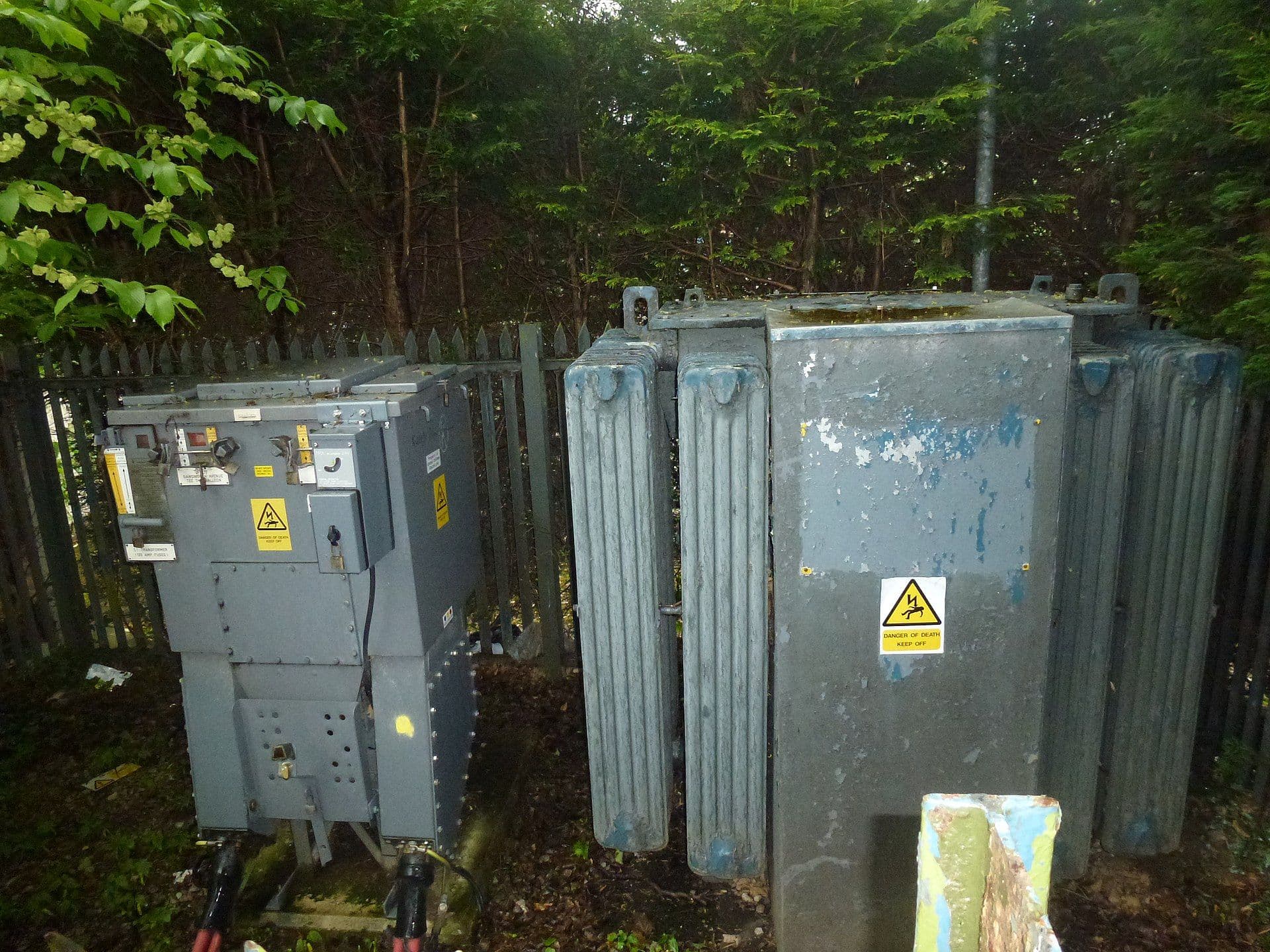
Transformer monitoring extends loss-reduction capability to the medium-voltage network. Smart sensors installed on distribution transformers measure load current, winding temperature, oil level and voltage on both primary and secondary sides. Comparing transformer-level energy input against the aggregate of all downstream consumer meters identifies pockets of loss that would otherwise be invisible. Overloaded transformers, a leading cause of both technical losses and equipment failure, can be identified and addressed before they cause supply interruptions.
An effective loss-reduction programme combines technology deployment with process reform: meter data analytics must feed directly into investigation workflows, case management, staff training, legal support and community engagement.
What This Means for South African Utilities
The revenue recovery opportunity for South African municipalities is substantial and proven. Utilities that commit to a systematic approach combining boundary metering, smart consumer meters, tamper management workflows and transformer monitoring consistently recover significant revenue within the first 12 to 18 months. The technology investment pays for itself rapidly when deployed as part of an integrated loss-reduction programme rather than as isolated meter replacements.
Hexing Electrical SA provides the complete technology stack for non-revenue loss reduction: SABS-certified boundary meters, single-phase and three-phase smart consumer meters with advanced tamper detection, transformer monitoring units, data concentrators, head-end systems and analytics dashboards purpose-built for South African utility loss-reduction programmes.
Contact Hexing to discuss how a targeted boundary metering pilot can quantify your losses and build the business case for a full smart grid deployment.